Avg. dispatch: 30 min*
Serving Alberta · Saskatchewan · Manitoba
Call Emergency Line: 780 231 7002
Crews on standby — 24/7 emergency dispatch
Avg. dispatch: 30 min*
Serving Alberta · Saskatchewan · Manitoba
Call Emergency Line: 780 231 7002
Crews on standby — 24/7 emergency dispatch
Avg. dispatch: 30 min*
Serving Alberta · Saskatchewan · Manitoba
Call Emergency Line: 780 231 7002
Crews on standby — 24/7 emergency dispatch
Avg. dispatch: 30 min*
IICRC-certified technicians
Call Emergency Line: 780 231 7002

Services/Fire Restoration
Service 04 · Restoration

FIRE
RESTORATION

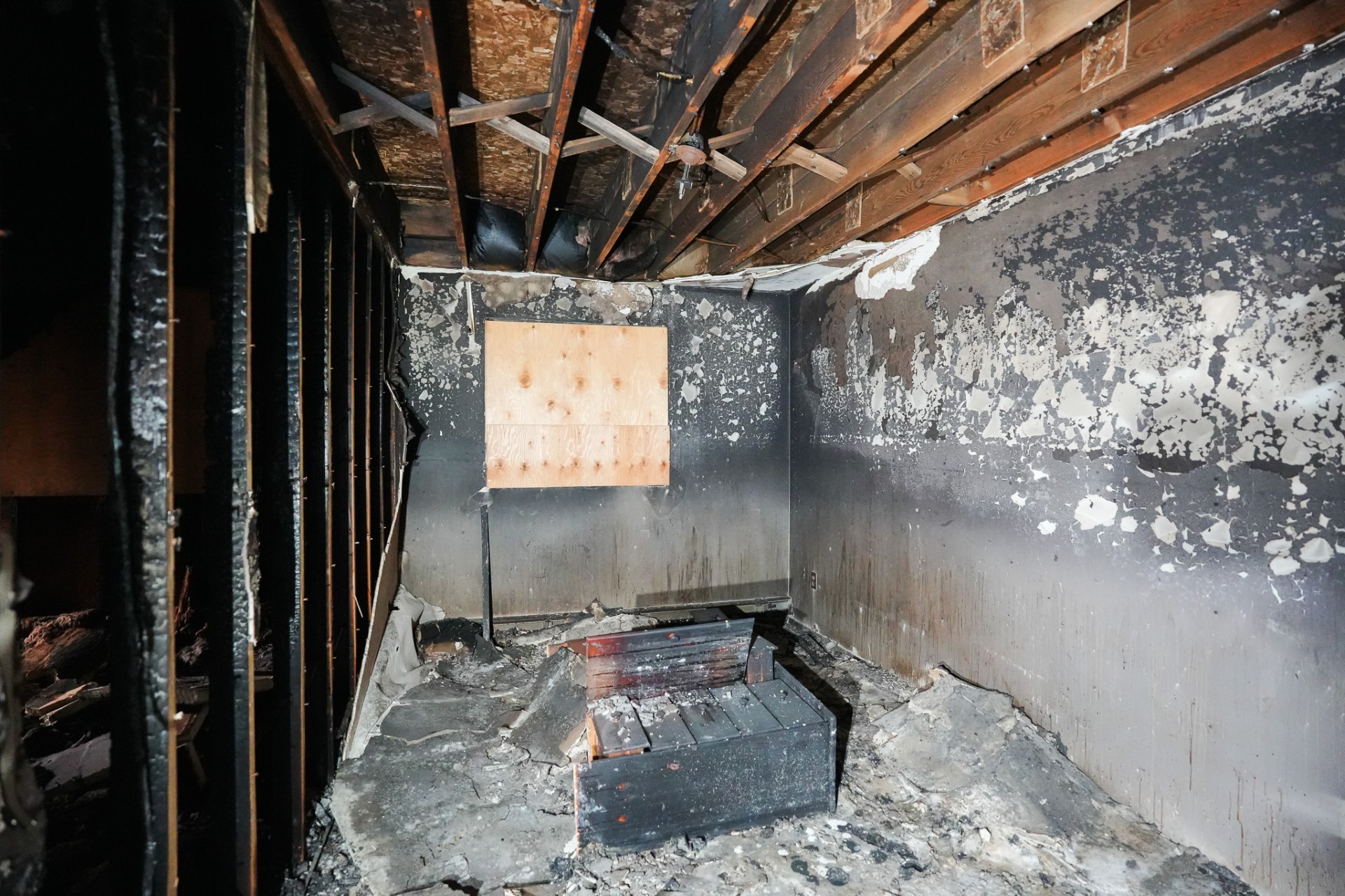
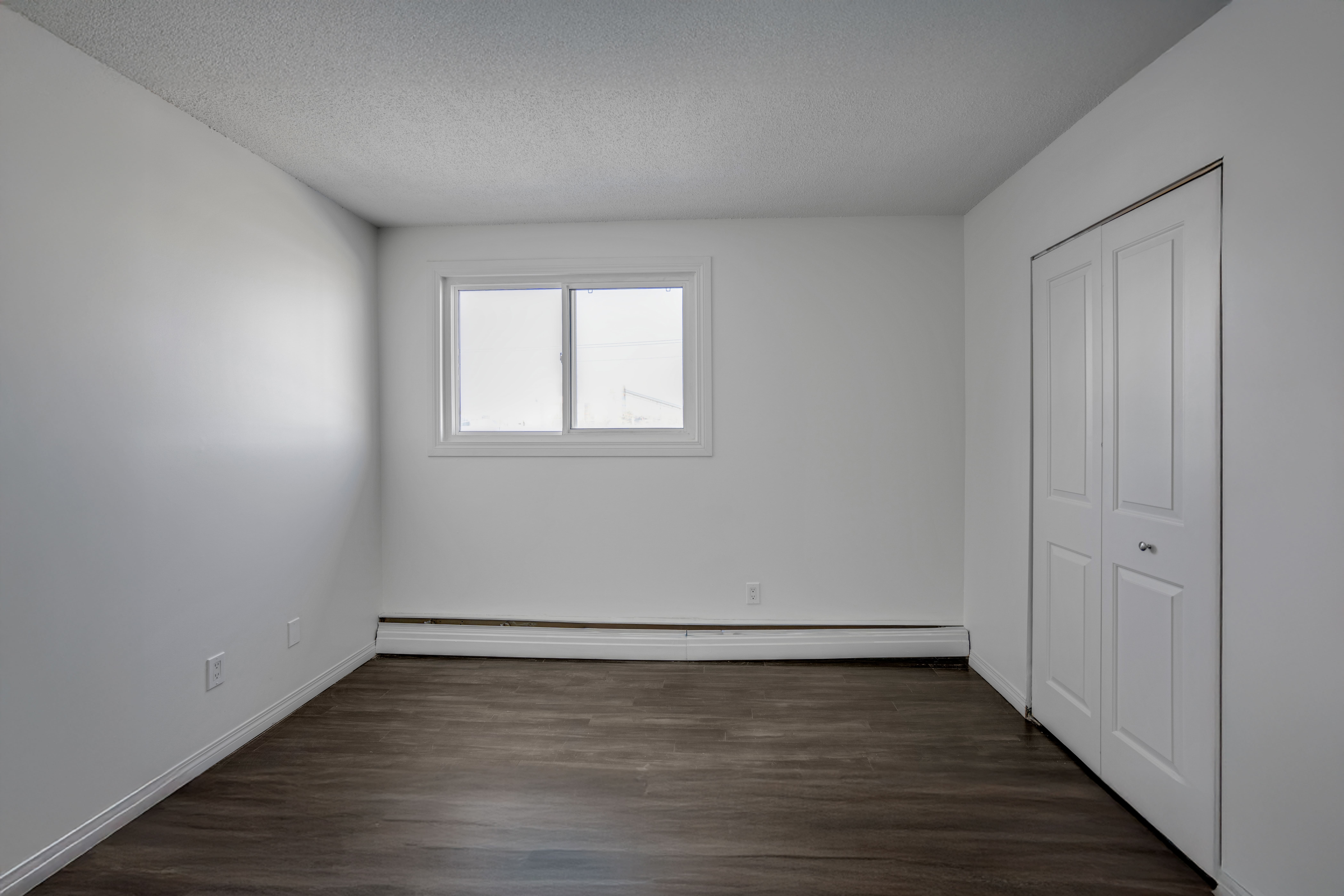
Controlled debris removal, detailed surface cleaning, and targeted smoke and soot mitigation, with odour control and repair coordination to return the property to use.

Before
After
Drag to compare
Emergency Response

DID YOU JUST HAVE A FIRE?

Fire crews stop the fire, but they leave water, smoke, and soot behind, so the damage keeps moving. Soot is acidic, and water and smoke odour both migrate through the building, so mitigation and cleaning need to start immediately.

01Emergency board up and site security
02Water from suppression extracted and dried
03Soot and smoke stabilised before it sets
Call 780 231 7002 →
Projects & Abatement

READY FOR REBUILD?

Once the loss is stabilised, the rebuild is a managed project: assessed materials, coordinated trades, and a schedule you can plan tenancy or operations around.

01Salvage assessed material by material
02Deep mitigation of smoke and odour
03Sequenced reconstruction and trade coordination
Request a scope review →
Process

HOW A FIRE LOSS IS WORKED

Stabilise, then clean, then rebuild, in that order, with the file documented throughout.

01

Secure

Board up, fencing, and access control, with suppression water extracted.

02

Assess

Materials evaluated for salvage, stabilisation, or removal, and contents inventoried.

03

Remove

Controlled removal of debris and material that cannot be salvaged, to limit cross contamination.

04

Clean and Deodorize

Detailed soot and smoke cleaning with targeted odour control of the air and assemblies.

05

Rebuild

Repair coordination back to the condition before the loss, with a documented hand back.

Regulatory & compliance

WE HANDLE THE HAZARDS

Fire debris in older buildings often contains asbestos. Because we remove asbestos ourselves, a hazard found during a fire job does not stall your file.

✓Hazardous material screening before debris removal
✓Asbestos removed by our own crews under containment
✓Air quality verification before reoccupancy
✓Structural concerns sent to an engineer
✓Site kept secure until the job is done
Insurance & documentation

One file, start to finish

Fire claims are long and heavily scrutinised. One accountable contact keeps the mitigation, contents, and rebuild documented as a single record.

Emergency mitigation recordIncluded
Contents inventoryIncluded
Photo & scope documentationIncluded
Odour verificationIncluded
Direct adjuster coordinationStandard
Common questions

QUESTIONS ABOUT FIRE DAMAGE?

Can anything be saved after a fire?+

More than people expect. Soot damage is often surface level, and contents cleaning recovers a great deal. We assess material by material before removing anything, and we tell you honestly what will not come back.

How do you get rid of smoke odour?
+

By removing the source, cleaning affected surfaces and cavities, and treating the air, not by masking. Odour is verified before we consider the space returned to use.

What about asbestos in the debris?

+

It is common in older buildings, and it is a legal stop work issue if handled wrong. Our abatement crews handle it under containment as part of the same project, which keeps the schedule intact.

Who deals with the insurer?
+

We do, directly, on claim work. You get one point of contact, and the documentation goes to the adjuster in the format they need.

Emergency? Start here

DAMAGE NOW?
DON'T WAIT.

One call puts a certified crew in motion. We will handle the damage and the documentation.